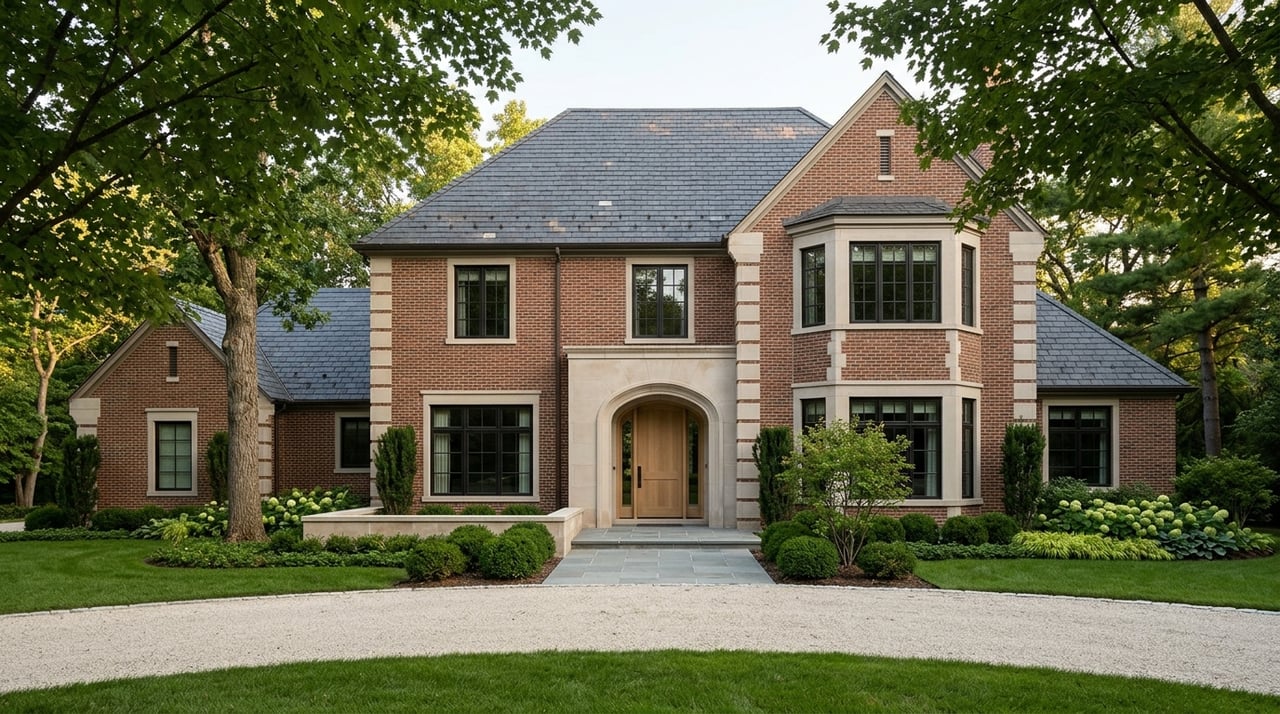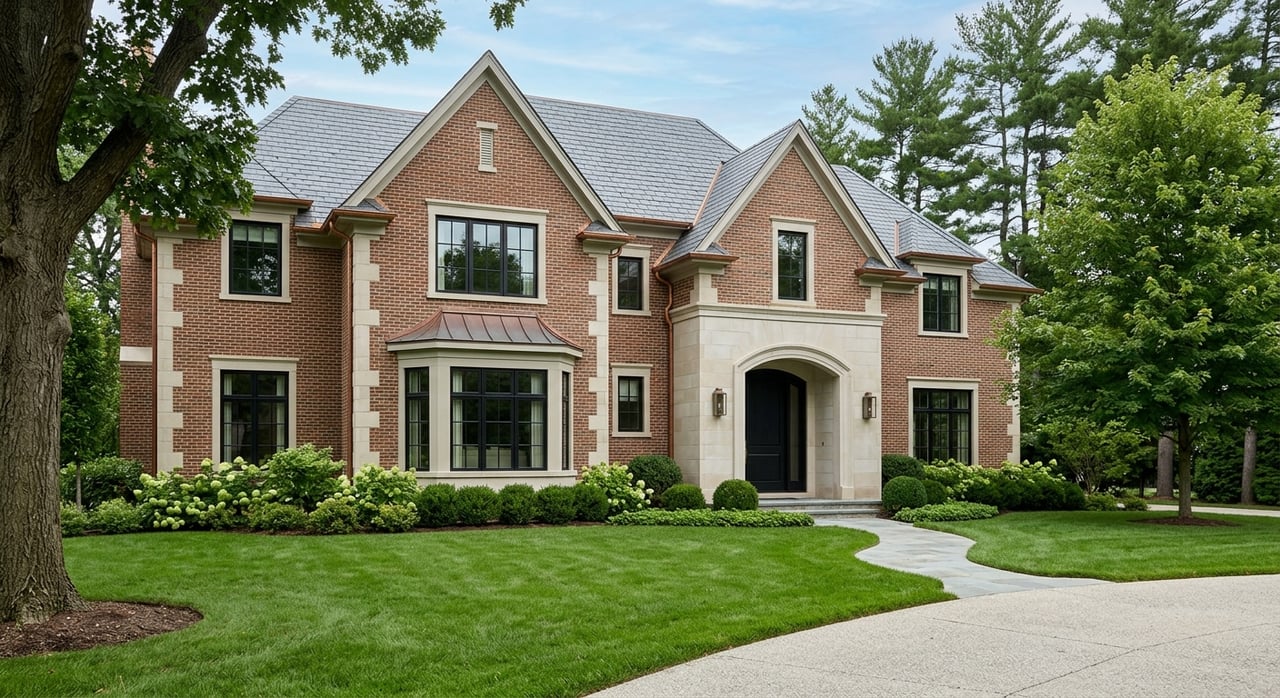
If you are drawn to homes with presence, privacy, and a real sense of place, Bloomfield Hills stands apart. This is not a market defined only by square footage or prestige. It is a city where architecture, landscape, and long-term stewardship shape how people live and how properties hold their appeal. If you are buying or selling here, understanding that bigger story can help you make smarter decisions. Let’s dive in.
Why Bloomfield Hills Feels Different
Bloomfield Hills is a small incorporated city in southeast Oakland County, about 20 miles northwest of Detroit. According to Census Bureau profile data, it has 4,460 residents across 5.0 square miles, with 1,610 households and 1,736 housing units.
That scale matters because it helps explain the city’s quiet, residential feel. The city describes Bloomfield Hills as a place known for wooded lots, privacy, stately homes, and deliberate change rather than rapid growth.
Its history also helps explain the estate character you see today. City materials note that Bloomfield Hills evolved from farms and orchards into a community where Detroit business leaders first built large seasonal homes, then settled permanently.
That early pattern left a lasting mark on the land. Large parcels, mature trees, and a strong sense of separation between homes are not accidents here. They are part of the city’s long-standing identity.
Architecture Is Part of Daily Life
In many communities, notable architecture is something you visit once in a while. In Bloomfield Hills, it is part of the local fabric. The city’s design legacy is unusually dense for such a small place.
The clearest example is Cranbrook Educational Community. Cranbrook describes its 319-acre campus as a National Historic Landmark and highlights work connected to Albert Kahn, Eliel Saarinen, Frank Lloyd Wright, Steven Holl, Rafael Moneo, and Tod Williams/Billie Tsien.
That is a remarkable concentration of design influence in one area. It also shapes the way buyers and sellers think about homes in Bloomfield Hills, where architecture is often valued not just for appearance, but for authorship, materials, and the way a home sits on its land.
Cranbrook House and the area’s roots
Cranbrook House was designed by Albert Kahn in 1908 for the Booth family. Cranbrook House and Gardens describes it as the centerpiece of the campus, and Cranbrook notes that it is an English Arts and Crafts country house and the oldest surviving manor home in metro Detroit.
That kind of legacy matters because it established an early standard for estate living in the area. The home reflects a tradition of architecture that feels grounded, carefully composed, and closely connected to its landscape.
Saarinen House and design integration
Saarinen House adds another important layer to the story. Designed in the late 1920s, it was the home and studio of Eliel and Loja Saarinen from 1930 to 1950.
Cranbrook calls it Eliel Saarinen’s Art Deco masterwork. It is especially notable for how fully the interiors, furnishings, and architecture were conceived as one environment, which reinforces Bloomfield Hills’ reputation for thoughtful, design-led living.
Frank Lloyd Wright in Bloomfield Hills
Bloomfield Hills also includes two important Frank Lloyd Wright homes. The Smith House is described by Cranbrook as an example of Wright’s vision for American living, while the Frank Lloyd Wright Foundation identifies the Affleck House as an exemplary Usonian home.
The Affleck House is known for one-story planning, open living, and a design that responds to its ravine setting. The Bloomfield Historical Society further ties Wright’s local work to Usonian ideas such as horizontality, simplicity, and unity with nature.
Estate Living Means More Than a Large Home
In Bloomfield Hills, estate living is not just about size. It is about how the house, site, trees, and surrounding environment work together.
The city emphasizes wooded lots and privacy as part of its identity. It also regulates tree removal and tree protection on residential and commercial property, which shows that landscape stewardship is a visible part of ownership here.
For buyers, that often translates into a different lifestyle expectation. Mature canopy, topography, and setback patterns can shape everything from curb appeal to how private your outdoor spaces feel.
For sellers, those same features are often central to the property story. A home’s appeal may come as much from its site planning, seasonal views, and relationship to nature as from its interior finishes.
The Landscape Shapes Everyday Routine
Bloomfield Hills has an estate feel, but it is not cut off from everyday outdoor life. Local spaces show how nature and routine often overlap here.
Johnson Nature Center covers 40 scenic acres and includes nearly two miles of trails, a tributary of the Rouge River, a four-acre inland pond, and wildlife habitat. Its county stewardship partnership highlights the local value placed on preserved landscape and outdoor access.
Bowers School Farm adds another dimension. Oakland County describes it as a 93-acre working farm with livestock, vegetable production, community gardens, and curated horticultural gardens, along with the 1834 Craig Log Cabin and 1845 Barton Farmhouse.
These places support a daily rhythm that feels tied to land and season. They also help explain why Bloomfield Hills can feel both refined and grounded at the same time.
Trails and outdoor access
Oakland County Parks says the county trail system includes 100 miles of paved and natural trails for walking, jogging, skating, biking, and equestrian riding year-round. For many buyers, that adds practical value to the area’s scenic appeal.
Instead of treating outdoor recreation as a special trip, you can think of it as part of the broader local lifestyle. That matters in a market where privacy and green space are often top priorities.
Community Institutions Add to the Character
Bloomfield Hills is also shaped by institutions that reinforce its residential rhythm. The city names Bloomfield Open Hunt, Bloomfield Hills Country Club, Stonycroft Golf Club, and The Village Club as part of the local social fabric.
Whether or not those settings are part of your personal routine, they help define the feel of the area. They contribute to the sense that Bloomfield Hills functions as a long-established residential enclave with its own pace and traditions.
The city also offers House Watch and House Key services for residents. For owners who travel often or maintain estate-style properties, those services support the privacy-minded and practical side of living here.
What Buyers Should Notice in Bloomfield Hills
If you are considering a home in Bloomfield Hills, it helps to look beyond finishes and first impressions. In a market like this, long-term value is often tied to details that are less obvious at first glance.
Pay attention to the site itself. The way a home sits on the lot, how it relates to mature trees, and how privacy is created through topography or landscaping can matter as much as the architecture.
You should also notice whether a property’s style feels true to its setting. In Bloomfield Hills, homes often stand out most when the architecture and landscape feel connected rather than competing for attention.
For some buyers, access to curated or more private opportunities may also matter. In a market where discretion is valued, a thoughtful search strategy can be just as important as speed.
What Sellers Should Highlight
If you are selling in Bloomfield Hills, the strongest story is rarely just the number of rooms or the total square footage. Buyers in this market often respond to context, provenance, and how a property feels as a whole.
That means your home’s setting deserves careful attention. Wooded views, legacy landscaping, a gracious approach, and the relationship between indoor and outdoor living can all shape buyer perception.
If the home has architectural pedigree, a meaningful design influence, or distinctive materials, those details should be presented clearly and calmly. A polished, discreet strategy is often the right fit for properties where privacy and legacy matter.
This is also where strong coordination can make a real difference. For estate sales, inherited properties, or later-life transitions, preparing a home thoughtfully can reduce stress and protect value.
Why Scarcity Supports Long-Term Appeal
Bloomfield Hills combines a small footprint, a predominantly residential character, tree protection rules, and a concentration of landmark architecture and historic sites. Together, those factors support a sense of scarcity that is difficult to replicate elsewhere.
That does not mean every home is historic or every property fits the same buyer. It does mean that the city’s long-term appeal is closely tied to preservation, landscape, and a careful approach to change.
For buyers, that can support confidence in the area’s identity. For sellers, it reinforces why a home in Bloomfield Hills should be marketed as part of a larger place story, not as a generic luxury listing.
A Market Built on Stewardship
At its best, Bloomfield Hills offers more than beautiful homes. It offers a way of living shaped by architecture, mature landscape, privacy, and continuity over time.
That is why buying or selling here often calls for a more nuanced approach. You are not just evaluating finishes or pricing a structure. You are considering how a property fits into a community that values design, land, and stewardship.
If you are planning a move in Bloomfield Hills, working with an advisor who understands luxury presentation, discretion, and the logistics behind major transitions can make the process feel far more manageable. To explore your next step with calm, strategic guidance, connect with Christine Hossack.
FAQs
What makes Bloomfield Hills different from other luxury markets in Oakland County?
- Bloomfield Hills stands out for its small size, wooded residential setting, estate-scale parcel pattern, deliberate pace of change, and unusually strong concentration of notable architecture tied to Cranbrook and other historic sites.
What does estate living in Bloomfield Hills usually mean for buyers?
- For buyers, estate living in Bloomfield Hills often means valuing privacy, mature trees, site design, and the relationship between the home and its landscape, not just the size of the house.
What architectural landmarks are located in Bloomfield Hills?
- Bloomfield Hills is closely associated with Cranbrook Educational Community, Cranbrook House, Saarinen House, the Smith House, and the Affleck House, along with other historically recognized sites in Oakland County.
What should sellers emphasize when listing a home in Bloomfield Hills?
- Sellers should emphasize the property’s setting, privacy, landscape, architectural character, materials, and any meaningful design or historical context that helps the home feel distinct within the local market.
How do natural spaces shape daily life in Bloomfield Hills?
- Natural spaces such as Johnson Nature Center, Bowers School Farm, and the broader Oakland County trail system help support a lifestyle that includes trails, preserved landscapes, seasonal outdoor routines, and a strong connection to the natural setting.
Are there services that support privacy-minded homeowners in Bloomfield Hills?
- Yes. The city offers House Watch and House Key services for residents, which can be especially useful for households that travel often or want added peace of mind.